Temporary Status, Immigration, and America’s Birthday - July 2026 Newsletter
Yes, TPS is Temporary
...but determining when to end it is a choice we must make; a choice with significant moral ramifications.
On June 25, the U.S. Supreme Court ruled in favor of the Trump Administration’s ending of TPS for Haitian and Syrian immigrants. While many have pointed out that TPS is temporary, the country of Haiti remains as unstable as ever. The country is, essentially, ruled by violent gangs who operate with impunity.
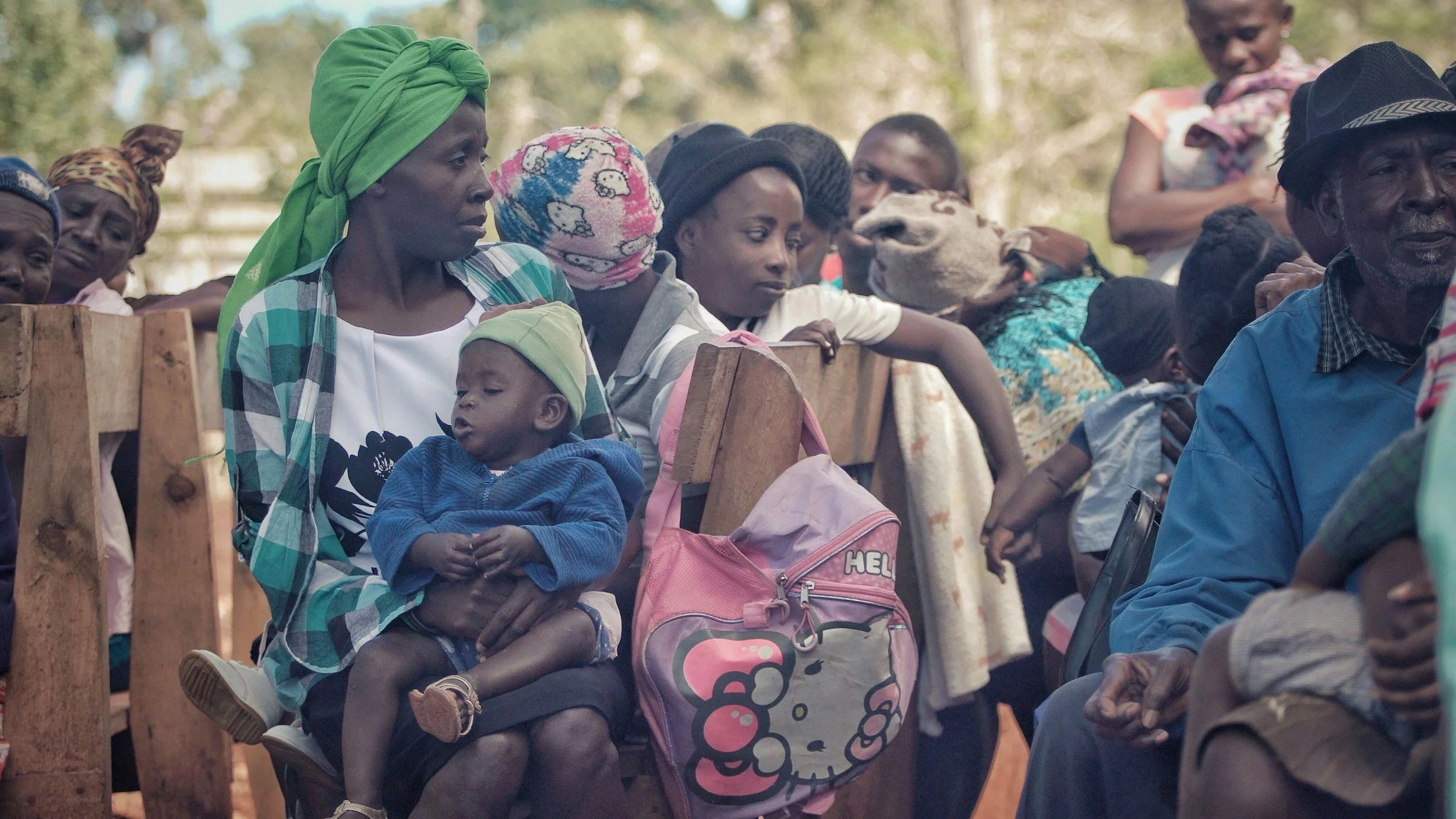
Haitians have found a home in few areas of Indiana—in each place, the Church has responded to their pastoral needs: access to the Sacraments, baptisms, weddings, funerals, and so on. In many cases, the Church has also responded to temporal needs, such as helping with language classes, understanding culture, job readiness, and equipping immigrants with tools needed to integrate and participate in public life.
As TPS status ends, many Haitians will face the impossible choice of returning to an unstable country, seeking refuge in another country unwilling to accept them, or remain illegally in the United States until detention and deportation. Very few would qualify for any permanent legal pathways. Bishop Cahill, Chairman of the U.S. Bishops Committee on Migration recently stated: “Revoking the legal status of hundreds of thousands of people residing in our country creates a moral crisis when returning to their country of origin is not a safe or reasonable option. If we are truly to affirm the God-given dignity of every human person, we as a nation cannot turn a blind eye to such an injustice and the impossible choices it will create for families and communities.”
The US Conference of Catholic Bishops recently published an action alert calling on the U.S. Senate to pass a bill that extends TPS until 2029. This bipartisan bill already passed the House. Please consider reaching out to your U.S. Senators this week.
Other Immigration News
In another major Supreme Court decision, the Court struck down the Trump Administration’s executive order to end birthright citizenship. The majority opinion grounds the concept of birthright citizenship in the 14th Amendment of the Constitution. There are countless resources to learn more about this decision, but I found this article on CST and birthright citizenship from CAPP-USA to be particularly helpful in rooting the debate in the Church’s moral language, transcending the legal arguments over birthright citizenship.
Roarke at St. Meinrad
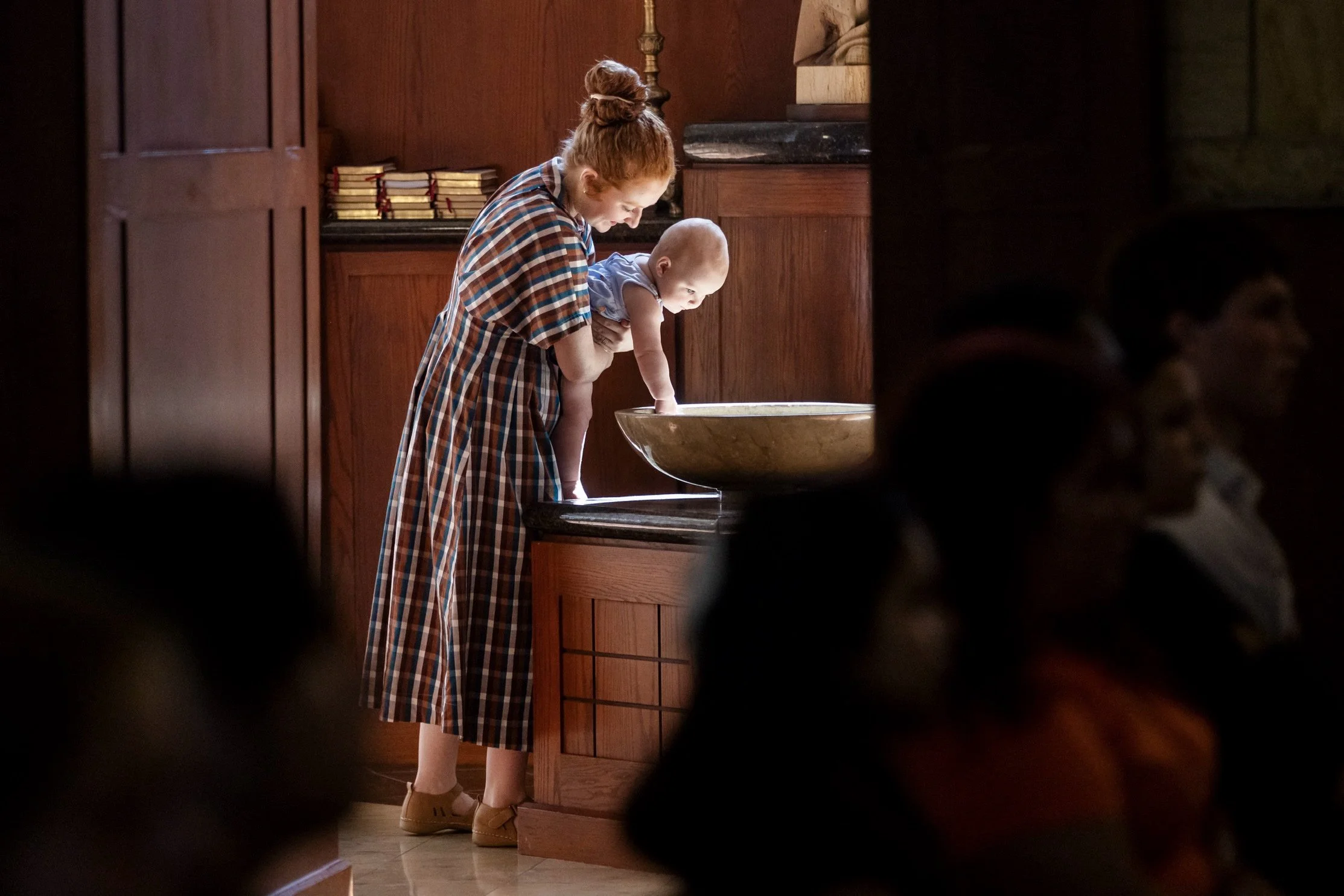
Over the weekend our Associate Director, Roarke, shared about the work of the ICC with high school students during the “Mission” talk at One Bread One Cup (OBOC), a program that operates out of Saint Meinrad Archabbey. OBOC is a liturgical leadership conference focusing on the Word, Sacrament and Mission of the Roman Catholic Church for high school youth groups and their campus and youth ministers. Conferences focus on community building, leadership development, catechesis, liturgical and spiritual formation, and theological reflection.
America's 250th Birthday
The Fourth of July in 2026 will feel different.
Perhaps it’s due to the weight of 250 years of history?
Maybe feeling the pervasive desire for unity that is pushing through despite the media narratives that pit Americans against each other?
Perhaps it’s the millions of visitors to the United States for the 2026 World Cup who are reminding us of all the uniquely good reasons we are proud to be American?
Knowing that our country is consecrated to the Sacred Heart of Jesus?
These are the things on my heart, and I hope you also take some time to think about what your country means to you this weekend. You can check out the Bishops’ webpage “We Hold These Truths” for some thought-provoking videos and articles. May God bless you and your families this weekend and help us all to recover and deepen an authentic patriotism.
May God bless America!
Alexander Mingus
ICC Executive Director